



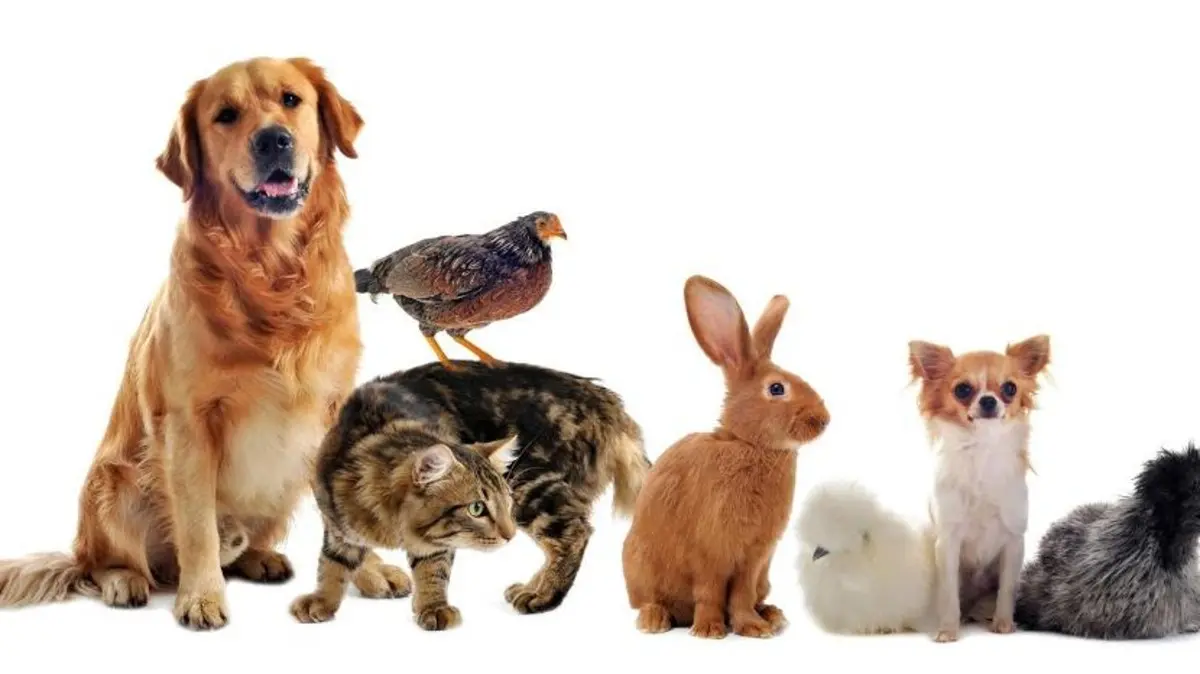
As temperatures drop during winter, animals whether pets, farm animals, or wildlife — become more vulnerable to illness and stress caused by harsh weather. Since they cannot express their needs, it becomes our responsibility to keep them safe and warm.
1. Household Pets
Pets feel cold just like humans do, especially small breeds or animals with short fur.
Here’s how to protect them:
- Provide a warm sleeping area, away from drafts and cold floors.
- Use blankets or insulated pet beds for extra comfort.
- Avoid frequent baths in winter, as they lower body temperature.
- Increase food slightly, since animals burn more energy to stay warm.
- Use pet clothing, especially for small or sensitive breeds.
You can order a warm shelter through the app and make their winter a little kinder
2. Outdoor Animals (Gardens & Farms)
Farm and outdoor animals experience winter more intensely. To keep them safe:
- Offer a sheltered, closed space to block wind, rain, and snow.
- Ensure water supplies don’t freeze, since extremely cold water can cause health issues.
- Check animals regularly for signs of cold stress.
3. Wildlife
Wild animals rely on nature for warmth, but urban expansion makes survival harder. You can help by:
- Setting up small feeding or water stations in parks or backyards.
- Keeping some bushes and trees untrimmed to provide natural shelters.
- Avoiding disturbance, especially during cold spells when energy conservation is crucial.
4. Signs an Animal Is Feeling Cold
- Shivering or trembling
- Curling up tightly
- Excessive sleeping or lethargy
- Cold ears or paws
- Loss of appetite
If you notice these signs, move the animal to a warmer place immediately.
In Conclusion
Protecting animals from the cold is an act of kindness and environmental awareness. A little warmth can make a big difference in their lives.
Let’s help make winter safer and gentler for every living creature.
