



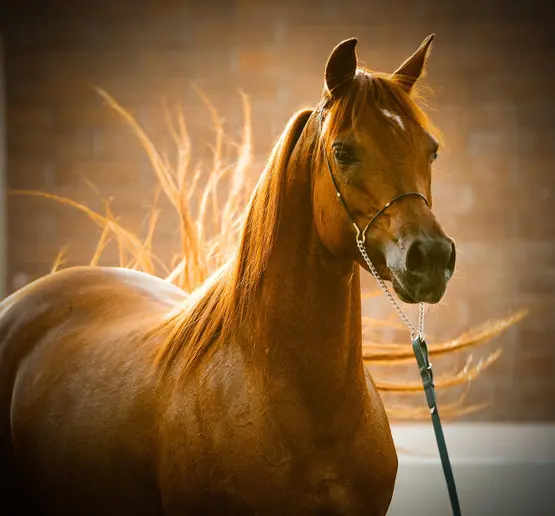
Horses have a language that is neither spoken in words nor written in letters. Instead, it is expressed through the glance of an eye, the movement of an ear, and the quiet steps of a horse drawing near. It is a language not everyone understands, but one that can be felt by those who approach horses with a loving heart and dedicate enough time and care to understand their smallest details.
Horses have souls that express their feelings without making a sound. Their movements may reveal fear or comfort, while their eyes may show curiosity or awareness of what is happening around them. Over time, those who spend time with horses begin to recognize the differences in their behavior and understand when they feel relaxed and when they need calmness, space, and security.
How Can I Help My Horse Understand Me?
Communicating with your horse is not just about words. It is about your calmness, the clarity of your signals, and the way you interact with it.
1. Keep Your Voice Calm
Use a steady tone and clear verbal cues. Avoid shouting or sudden movements so your horse can become familiar with your voice and feel more comfortable around you.
2. Use Clear Body Language
Move calmly and position yourself in a way that does not make your horse feel threatened. Avoid cornering it or approaching unexpectedly from behind.
3. Teach One Step at a Time
Use simple, consistent cues and reward your horse immediately when it responds correctly. Rewards can include praise or an appropriate treat.
4. Be a Source of Security
Never force your horse to approach you. Give it space and time to become comfortable with your presence and allow it to approach you willingly.
5. Spend Time Together Outside Training
Gentle grooming, walking beside your horse, and caring for its daily needs can help you understand its personality and strengthen the bond between you.
6. Be Consistent in Your Approach
Avoid giving conflicting signals when asking your horse to do the same thing. Never punish it for being afraid. Instead, teach it calmly and clearly, allowing enough time for it to learn.
7. Respect Its Boundaries
If your horse moves away or shows signs of tension, reduce the pressure and reassess the situation rather than forcing it. True communication begins when you respect what your horse is trying to tell you.
How Can I Build Trust Between Me and My Horse?
Trust does not develop overnight. It grows through small, repeated moments and the feeling of safety your horse experiences every time it interacts with you.
1. Provide Daily Care
Groom your horse gently, check its body and hooves, and pay attention to what it enjoys and what makes it uncomfortable. Grooming is more than a daily responsibility; it is an opportunity to connect with your horse and monitor its health and comfort.
2. Learn to Be Calm and Patient
Stand near your horse in a safe environment without pressuring it to interact. Allow it to become accustomed to your presence gradually, and do not rush the process. Every horse has its own pace.
3. Communicate Through Clear Signals
Teach your horse to stand, walk, and stop using consistent, understandable cues. Reward correct responses, and if you encounter difficult or frightening behavior, seek help from an experienced trainer.
4. Become Someone Your Horse Can Rely On
Make your interactions calm and predictable. Avoid frightening your horse or forcing it unnecessarily. As safe and positive experiences become more frequent, your horse can learn to feel more secure around you.
5. Respect Its Physical and Emotional Needs
Provide suitable food, fresh water, rest, exercise, and proper veterinary care. A horse whose needs are met and whose well-being is protected is better positioned to learn and interact comfortably.
Signs Your Horse Feels Comfortable Around You
Here are some signs that may indicate your horse feels comfortable and familiar with you:
- It willingly approaches you in familiar situations.
- It stands beside you with a relaxed body and no obvious signs of tension.
- It responds calmly to your cues after consistent training.
- It accepts routine grooming without unusual fear or resistance.
- It displays calm, balanced behavior in your presence.
These signs may indicate comfort and familiarity, but not every behavior necessarily means your horse is expressing love. What matters most is understanding its behavior within the full context and paying attention to sudden changes that could indicate pain, fear, or discomfort.
Book a consultation through the app and check on him to make sure he’s okay.
